What to Expect During a Reiki Session
- Healing Haven

- Sep 22, 2025
- 3 min read
Reiki healing is a gentle, non-invasive therapy that promotes relaxation and well-being. If you are curious about what happens during a session, this guide will walk you through the experience step-by-step. Understanding the process can help you feel more comfortable and open to the benefits of this ancient healing art.
Preparing for Your Reiki Healing Session
Before your session begins, it is important to prepare both mentally and physically. Wear comfortable clothing that allows you to relax fully. Many practitioners recommend arriving a few minutes early to settle in and discuss any specific concerns or goals you have.
During this time, the practitioner may explain what Reiki is and answer any questions. This helps build trust and sets a positive tone for the session. You might also be asked about your health history or any areas where you feel tension or discomfort.
Tips for preparation:
Avoid heavy meals or caffeine right before the session.
Find a quiet place where you won’t be disturbed.
Set an intention for your healing experience, such as stress relief or emotional balance.

What Happens During a Reiki Healing Session
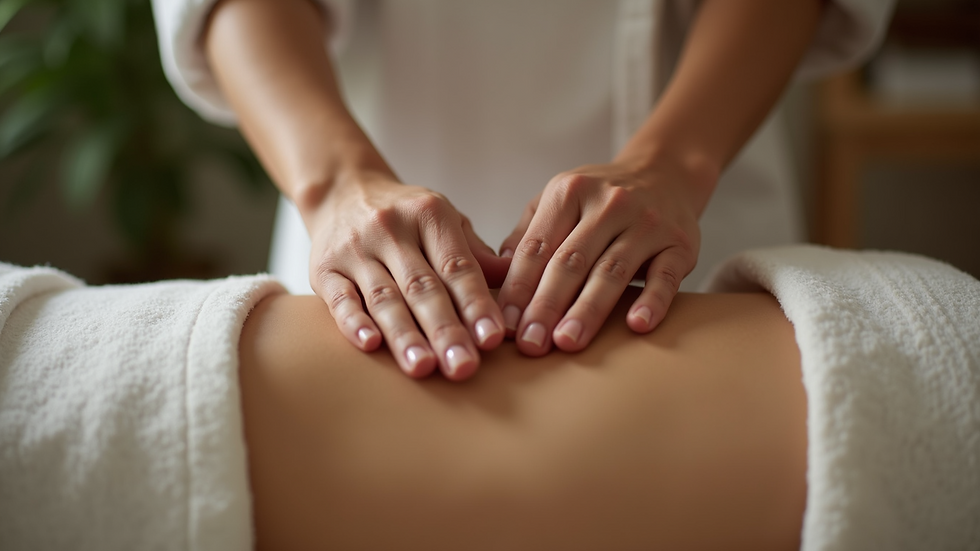
A typical Reiki session lasts between 45 minutes and an hour. You will usually lie down fully clothed on a massage table or sit comfortably in a chair. The practitioner will begin by placing their hands lightly on or just above your body in a series of positions.
The touch is gentle and non-invasive, focusing on areas such as the head, shoulders, stomach, and feet. You may feel warmth, tingling, or a sense of deep relaxation as energy flows through your body. Some people experience emotional releases or vivid imagery during the session.
The environment is usually quiet, with soft music or nature sounds to enhance relaxation. The room temperature is kept comfortable, and practitioners often use calming scents like lavender or sandalwood.
What to expect physically and emotionally:
A deep sense of calm and peace.
Possible sensations of heat or coolness.
Emotional shifts such as relief, joy, or release of tension.
No pain or discomfort, as Reiki is a gentle therapy.
What does a Reiki healing session do?
Reiki healing sessions work by channeling universal life energy to support your body’s natural healing processes. This energy helps to clear blockages and balance your energy centres, known as chakras. The result is improved physical, emotional, and spiritual well-being.
During the session, the practitioner acts as a conduit for this energy, which flows where it is most needed. This can help reduce stress, alleviate pain, and promote faster recovery from illness or injury.
Key benefits of Reiki include:
Enhanced relaxation and stress reduction.
Relief from chronic pain and tension.
Improved sleep quality.
Emotional clarity and balance.
Support for mental focus and creativity.
Reiki is often used alongside conventional medicine to complement treatment and improve overall health.

After Your Reiki Healing Session
Once the session ends, you may feel deeply relaxed or energized. It is common to experience a sense of lightness or emotional release. Some people notice changes in their symptoms or mood over the following days.
Practitioners usually recommend drinking plenty of water to help flush out toxins and support the healing process. You might also be encouraged to rest or engage in gentle activities like walking or meditation.
If you have any questions or concerns after your session, don’t hesitate to contact your practitioner. They can provide guidance on follow-up sessions or additional self-care practices.
Post-session care tips:
Stay hydrated with water or herbal tea.
Avoid strenuous exercise immediately after.
Reflect on any insights or feelings that arose.
Schedule additional sessions if needed for ongoing support.
How to Choose the Right Reiki Practitioner
Finding a qualified and experienced Reiki practitioner is essential for a positive experience. Look for someone who is certified and has good reviews or recommendations. A professional will create a safe, supportive environment and tailor the session to your needs.
You can explore options online or ask for referrals from friends or wellness centres. Many practitioners offer an initial consultation to discuss your goals and explain their approach.
When booking, check if the practitioner offers in-person or remote sessions, depending on your preference. Both methods can be effective, but in-person sessions often provide a more immersive experience.
For more information and to explore options, you can visit reiki healing sessions.
Reiki healing offers a unique opportunity to connect with your body’s natural energy and promote holistic wellness. By knowing what to expect during a session, you can approach the experience with confidence and openness. Whether you seek relaxation, emotional balance, or physical relief, Reiki can be a valuable addition to your self-care routine.


Comments